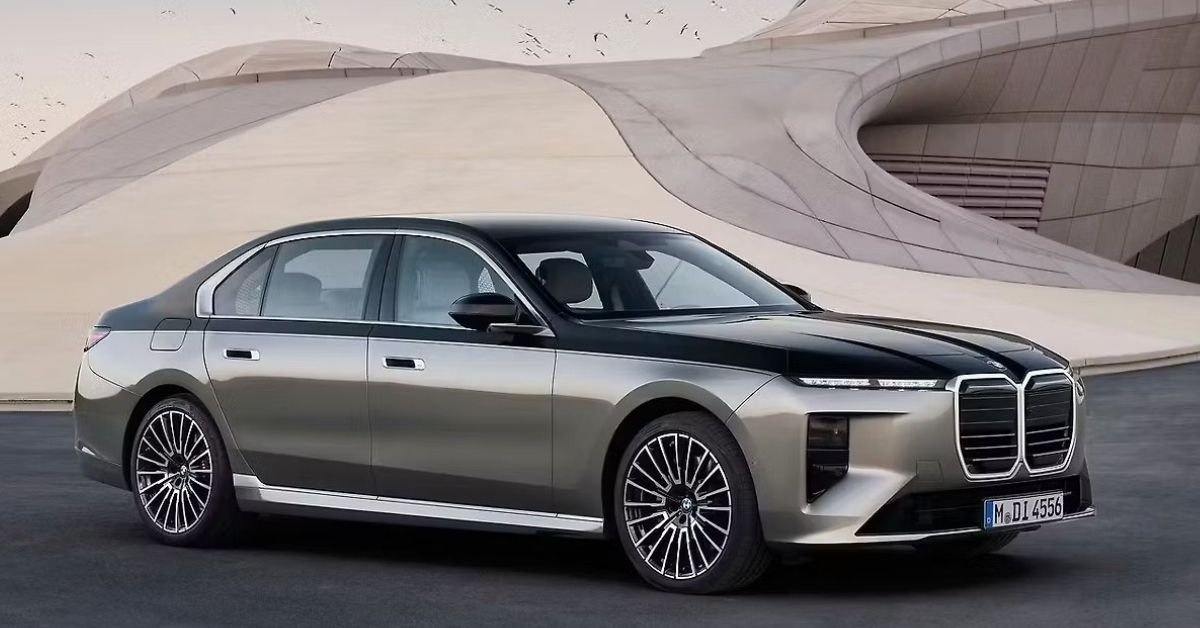
If you thought silent, sub-4-second luxury sedans were only a Mercedes or Porsche thing, the BMW i7 Facelift is about to change that conversation in India. BMW’s flagship electric sedan is getting its mid-life update, and it’s arriving with sharper styling, a reworked cabin, and tech that genuinely feels a generation ahead.
For a segment where buyers rarely compromise, this refresh isn’t just cosmetic tinkering it’s BMW trying to stay a step ahead of the Mercedes-Benz EQS and the ever-expanding electric luxury club in India.
BMW i7 Facelift Launch Timeline in India
BMW opened bookings for the updated 7 Series lineup, including the i7, at the start of August 2026, both at dealerships and online through BMW India’s website. The BMW i7 Facelift is expected to officially launch in India around mid-September 2026, roughly three months after its international unveiling in April.
This is a fairly quick turnaround by luxury-import standards, and it signals BMW is keen to keep momentum going in a segment where Mercedes has traditionally had the edge with the EQS.
Expected Price of BMW i7 Facelift in India
Here’s where things get interesting for prospective buyers. The outgoing BMW i7 is currently priced between approximately ₹2.05 crore and ₹2.58 crore ex-showroom, depending on the variant. With the facelift bringing meaningful updates to the interior and technology, industry estimates suggest the new i7 will likely push past the ₹2.10 crore mark for the base variant, with the range-topping M70 xDrive variant expected to cross ₹2.5 crore.
Given it’s a mid-cycle update rather than a full generational change, don’t expect a massive price jump but a modest premium over the current lineup is likely once official pricing is announced closer to launch.
Why the Price Might Move Up Slightly
- Significant interior tech overhaul, including new displays
- Revised exterior design with unique styling elements
- Rising import duties and logistics costs for CBU vehicles
- Positioning against updated rivals like the Mercedes-Benz EQS
What’s New: Design Changes in the BMW i7 Facelift
BMW has given the i7 a distinct visual identity from its petrol sibling, the 7 Series facelift, which is a smart move considering how easily the two could be confused earlier.
Exterior highlights:
- Slightly smaller kidney grille compared to the 7 Series, giving it a cleaner electric-sedan look
- New split-headlight design with slim LED daytime running lights
- Unique alloy wheel designs exclusive to the i7 to differentiate it from the ICE version
- A sportier rear bumper with generous gloss-black detailing
- Wide, LED tail-lamp treatment inspired by BMW’s Neue Klasse design language
The overall side profile remains largely unchanged, so if you already like the current i7’s proportions, you’ll feel right at home here.
Interior and Technology Upgrades
This is really where the BMW i7 Facelift earns its keep. BMW has overhauled the cabin substantially, and it’s clear the brand wants the i7 to feel like a genuine tech flagship rather than just an electric variant of the 7 Series.
Key cabin updates include:
- A new vertical-spoke steering wheel, replacing the older three-spoke unit
- A pillar-to-pillar Panoramic Vision display integrated into the dashboard
- A larger 17.9-inch central touchscreen paired with a 14.6-inch passenger display, now standard
- Continued rear-seat comfort features massaging, heating, and ventilation
- An optional 31.3-inch 8K rear entertainment display for rear-seat passengers, aimed squarely at the chauffeur-driven luxury buyer
For a car that’s often bought to be driven in rather than driven, this rear-seat focus makes a lot of sense in the Indian market.
Powertrain, Range and Performance
While full facelift-specific powertrain details are yet to be officially confirmed for India, the current i7 lineup gives a solid indication of what to expect. The i7 uses a substantial battery pack and comes in two main states of tune:
- eDrive50 / xDrive60: A more range-focused, comfort-oriented setup
- M70 xDrive: The performance flagship, producing well over 600 horsepower with a claimed 0-100 km/h sprint in the mid-3-second range and a top speed capped around 250 km/h
On the range front, the outgoing i7 claims an ARAI-certified figure of over 580 km, though real-world driving in Indian city and highway conditions typically brings that number down somewhat a pattern common across most EVs regardless of brand.
Quick Specifications Snapshot
| Parameter | Details |
|---|---|
| Body Type | Full-size luxury sedan |
| Powertrain | All-electric, dual-motor xDrive layout |
| Claimed Range (ARAI) | Over 580 km outgoing model |
| Top Speed | Up to 250 km/h M70 variant |
| Transmission | Single-speed automatic |
| Seating Capacity | 5 |
| Safety | 10 airbags standard |
| Charging | DC fast charging supported |
How Does It Compare to Rivals?
In the Indian luxury EV space, the BMW i7 Facelift will primarily go up against the Mercedes-Benz EQS and, to some extent, the Porsche Taycan for buyers who prioritise performance over outright cabin space. It also indirectly competes with ultra-luxury options like the Mercedes-Benz Maybach EQS SUV for buyers who want a chauffeur-driven electric flagship.
BMW’s advantage here has traditionally been the driving experience the i7 doesn’t feel like it’s apologising for being electric, unlike some rivals that lean purely into silence and comfort.
Should You Wait for the BMW i7 Facelift?
If you’re currently eyeing the outgoing i7, it might be worth holding off a few weeks. The facelift brings a genuinely upgraded cabin experience, and for a car in this price bracket, buyers tend to keep their vehicles longer so having the latest tech matters more than saving a small premium on the older model.
That said, if dealership stock of the current i7 is offering attractive discounts once the facelift is officially out, it could still be a smart buy for those less bothered about having the newest infotainment setup.
FAQ
When will the BMW i7 Facelift launch in India?
The BMW i7 Facelift is expected to launch in India around mid-September 2026, with bookings already open since early August 2026.
What is the expected price of the BMW i7 Facelift in India?
The BMW i7 Facelift is expected to be priced upwards of ₹2.10 crore ex-showroom, with higher variants likely crossing ₹2.5 crore.
What is the claimed range of the BMW i7?
The current BMW i7 has an ARAI-claimed range of over 580 km, though the facelift’s exact figures are yet to be officially confirmed.
What are the main rivals of the BMW i7 Facelift in India?
Its key rivals include the Mercedes-Benz EQS, Porsche Taycan, and other electric luxury sedans in the same price bracket.
What has changed in the BMW i7 Facelift compared to the older model?
The facelift brings a new front-end design, unique alloy wheels, a redesigned rear bumper, and a significantly upgraded interior with new displays and a revised steering wheel.
Conclusion
The BMW i7 Facelift isn’t reinventing the wheel, but it doesn’t need to it’s refining an already strong package with sharper styling, a genuinely upgraded interior, and tech that keeps it relevant against increasingly capable rivals. For Indian buyers in the ultra-luxury EV space, this facelift makes a compelling case: better cabin tech, distinct styling from the petrol 7 Series, and the same effortless performance BMW is known for. With launch just around the corner and official pricing expected soon, this is one flagship EV worth keeping an eye on.
Read More:-